
From Chicken Little to Chuck Norris
Security-minded people often find themselves in the role of Chicken Little, constantly warning that the sky is falling. In this issue, we will explore how to break the cycle of negativity and change culture.
A constant stream of negative messages can create fear and anxiety. Those feelings reduce neural plasticity which can squash learning before it begins.
<cue 80's infomercial music>
But wait, there's a better way.
A positive approach to security leads to better outcomes and a stronger security culture.
Skeptics will dismiss this idea, fearing that a positive approach won't produce the results they need. But research tells a different story—one where positive psychology improves our abilities and outcomes.
We are going to dive into the science behind this approach and provide practical strategies to shift your security mindset from doom-and-gloom to proactive and positive.
Positive Psychology Improves Performance
Here are three ways that positive thinking can improve your performance.
The Tetris Effect - In The Happiness Advantage, Shaun Achor explains that training our brains to look for positive patterns makes us more likely to find creativity and opportunities that lead to success. Just as playing Tetris for long periods can cause you to see the world in terms of Tetris shapes, focusing on the positive helps you spot opportunities you might otherwise miss.
Positive People Perform - Research shows that your brain performs better when in a positive state compared to when it is negative, neutral, or stressed. This positive state enhances intelligence, energy, and resilience.
Positivity Leads to Correct Decisions - Another study found that doctors in a positive mental state reached diagnoses 50% faster and demonstrated three times more intellectual flexibility.
There are a ton of advantages to seeking positivity and happiness in your personal and work life. But how can you take advantage of these opportunities if your job requires you to look for the problems? There’s hope.
Here’s how, step-by-step:
Step 1: Frequent Praise and Recognition
Have you ever had a boss who recognized your talents and praised your contributions? How did that make you feel?
Now, think about a boss who never recognized your work, making you feel like nothing you did was ever good enough.
Which interaction left you feeling more motivated? Which boss did you respect more?
Security work often involves pointing out flaws in other people’s work. To the recipient, it can feel like a constant stream of negativity and criticism.
Here are three simple ways to praise and recognize people:
Give public shout-outs regularly. Be genuine and specific. Don't forget to praise small and simple things as well as the large things.
Share positive feedback about a person with their manager. Do it in writing so their manager can include it in a future performance review.
Focus on specific actions and contributions rather than ambiguous traits. “I liked the way you included interesting stories in your presentation” is better than “you are a great presenter”.
In a recent study, researchers found that praise can:
boost self-efficacy
enhance feelings of competence and autonomy
create positive feelings
provide incentives for task engagement
Praise and recognition can empower individuals with a sense of security ownership. These positive reinforcements have the power to transform organizational culture.
Step 2: The Power of Positive Priming
Many people misunderstand how to give compliments. But they wait for something grandiose before expressing praise or gratitude. This approach is backwards. Positivity, in the form of regular compliments and gratitude, can lead to better outcomes.
In a study at Cornell University, Dr. Alice Isen found that doctors who received a small bag of candies before making diagnoses were more accurate and less prone to anchoring bias. Anchoring bias occurs when a doctor remains committed to an initial, incorrect diagnosis despite new, contradictory information. The doctors didn’t even have to eat the candy; the simple act of receiving it induced a positive mindset that improved their performance.
This isn’t about bribery or manipulation. It’s about intentional positivity through sincere compliments or expressions of gratitude.
Before your next presentation or crucial conversation, find something genuine to compliment or express gratitude for. Starting the conversation on a positive note will make it more productive and lead to better outcomes.
Step 3: Circles
Many people spend too much time worrying about things they cannot control. They worry about things like the weather, traffic, or what others are thinking. This often leads to feelings of helplessness and victimhood. But there’s a better way.
We can categorize our concerns into two broad categories, or circles:
Circle of Concern: This includes things we have little control over, such as the weather, traffic, and other people’s thoughts.
Circle of Influence: This includes things we can directly impact, like our driving route, packing an umbrella, and our own thoughts.
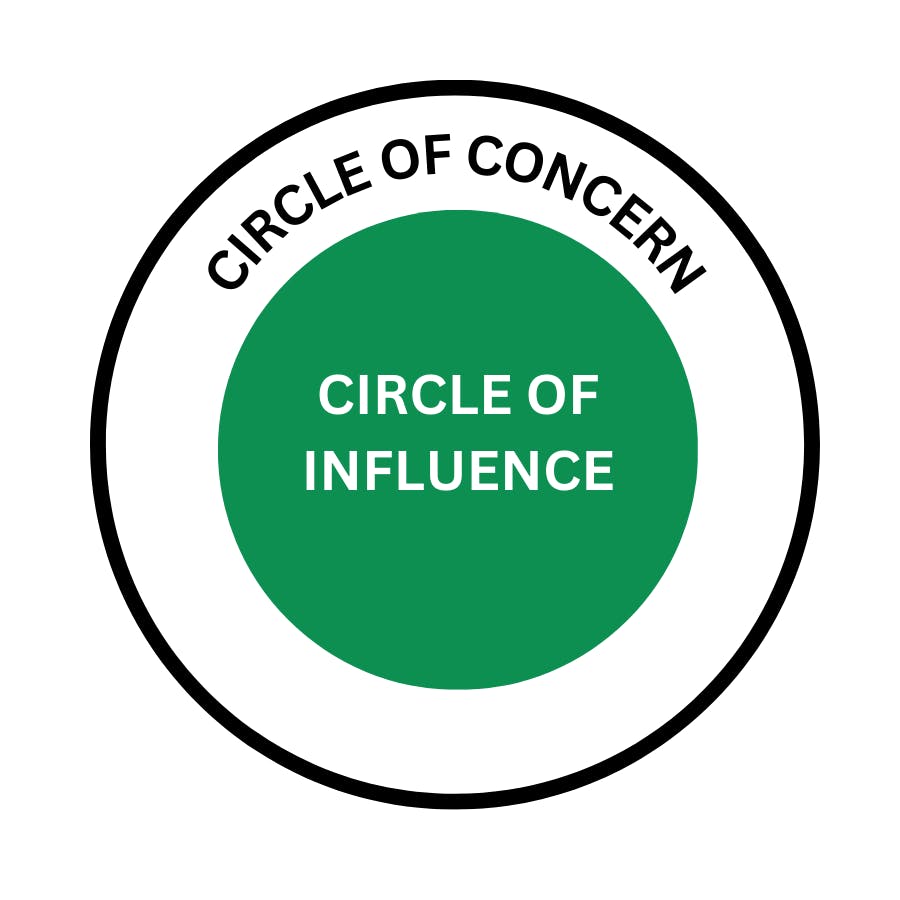
Reactive people focus on their circle of concern. They say things like, "I can’t", "if only", or "someday, maybe".
The most effective people focus on their circle of influence. They say things like, "I can", "I will", and "I plan to".
Focusing on your Circle of Influence can actually expand it. This means that things that used to be in your Circle of Concern can move into your Circle of Influence.
The 21-day challenge is a practical example of focusing on your circle of influence.
21-Day Challenge
With consistency we can break old bad habits, form new ones, and change the way we see the world. Shaun Achor’s 21-day challenge promises to help you break the cycle of negativity and become more positive. Choose one of the five habits below and practice it for the next 21 days.
Three Gratitudes - Each day, pause for a few minutes to note three things you are grateful for. This practice helps retrain your brain to focus on the positive aspects of life.
Journaling - Write about one positive experience each day. This helps you find meaning in your daily activities rather than just focusing on tasks.
Exercise - Spend 10 minutes exercising each day. This brings physical benefits and also teaches your brain that your actions matter. It will positively impact your other activities throughout the day.
Mediation - Take two minutes each day to meditate. Focus solely on your breathing. This practice trains your mind to focus, reduces stress, and increases your ability to be present in the moment.
Random Acts of Kindness - Each day, take time to praise or thank someone, either verbally or in writing. This not only benefits the recipient but also makes you feel good and increases your feeling of social support.
Finally
Becoming a positive person will improve your work and your organization. By consistently applying the simple steps we discussed above, you can improve your communication and change culture.
Diving Deeper
Here are some resources to help you dive deeper:
Subscribe to the Newsletter
Join other product security champions getting deep dives delivered to their inbox for free every Tuesday.
Follow us:



Quick Links
Supports Links
Quick Links
